
Artists in Recovery
Where Creativity Meets Healing
The Lymbic Artists page is a curated space dedicated to artists in recovery who use creativity as a vital part of their healing journey. Featuring visual artists, writers, musicians, filmmakers, and performers, this page highlights how art supports addiction recovery, mental wellness, and emotional resilience.
Recovery is more than abstinence—it’s about rebuilding identity, processing trauma, and learning how to feel, connect, and live fully. Creative expression offers a powerful pathway to that work. Art allows people in recovery to externalize emotion, tell their stories, and transform lived experience into meaning. For many, creativity becomes a grounding force, a coping tool, and a bridge back to community.
Across addiction recovery and mental health spaces, art has long been recognized as a therapeutic and restorative practice. From art therapy and storytelling to music and movement, creative outlets help reduce isolation, regulate emotions, and restore a sense of purpose. This page exists to amplify artists in sobriety, honor their lived experience, and normalize conversations around recovery, mental health, and creative healing.
Lymbic believes that art doesn’t just reflect recovery—it supports it. The artists featured here are not defined by their past, but by their willingness to create, share, and show up honestly. Their work reminds us that recovery can be expressive, connected, and deeply human
Santa Fe, New Mexico
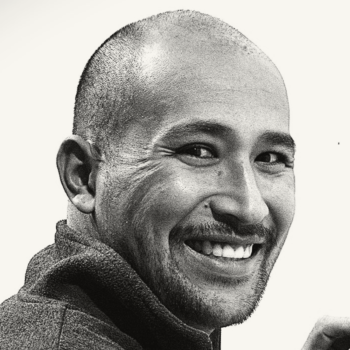
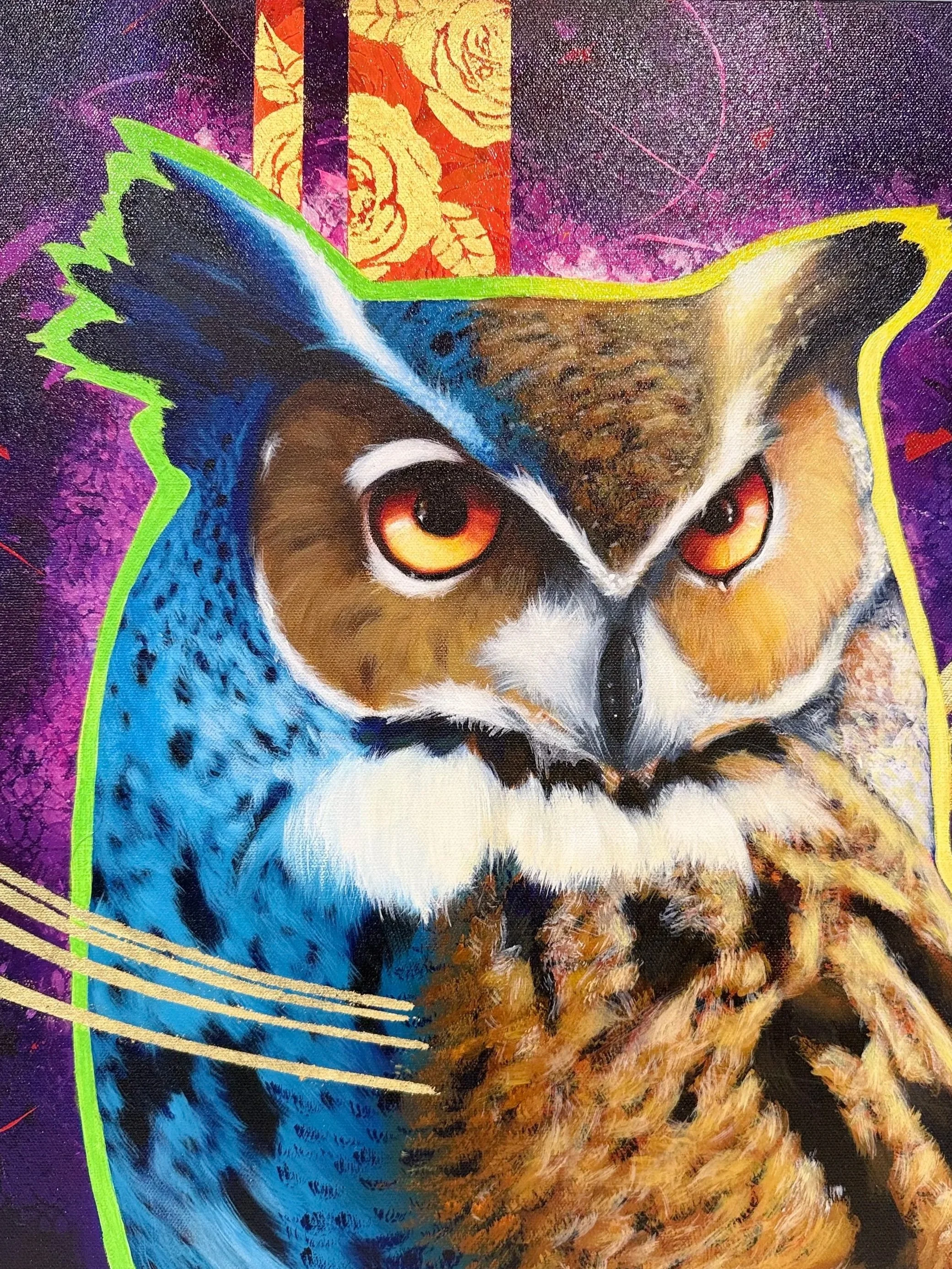
John Paul “JP” Granillo is a Santa Fe–based artist whose work is shaped by a lived journey from creative promise, to incarceration, to recovery. Once separated from his art during his time as an inmate, JP found his way back to creativity through sobriety and self-reckoning. Today, his work stands as a testament to redemption, resilience, and the transformative power of recovery. Through bold, emotionally honest pieces, JP explores identity, consequence, forgiveness, and renewal—using art not only as expression, but as survival. His return to art mirrors his return to self, reminding us that recovery is not about erasing the past, but creating meaning from it.